Greenlit and Forgotten: The Invisible Wall Between Diverse Stories and American Audiences
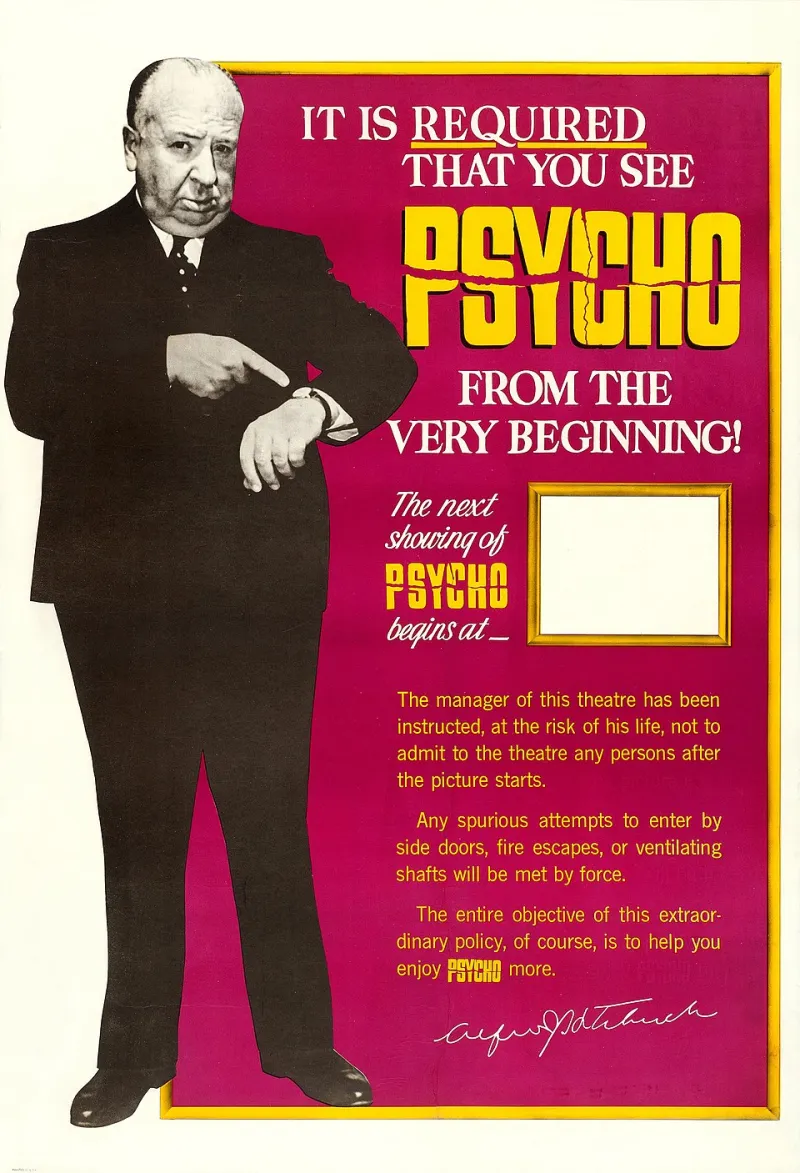
Photo: Designer unknown; presumably a work-for-hire on behalf of the film's original distributor, Paramount Pictures., Public domain, via Wikimedia Commons
In the years following Hollywood's most public reckoning with representation, the industry adopted a familiar posture: announcements of bold new slates, diversity initiatives bearing corporate imprimaturs, and press releases celebrating first-look deals with creators from communities long excluded from the mainstream. The optics, by nearly every measure, improved considerably. The outcomes, however, tell a more complicated story.
A quiet but persistent crisis has taken root in the space between a greenlight and a release date. Projects centered on Black, Latino, Asian American, Indigenous, and LGBTQ+ narratives are entering development pipelines at rates that would have seemed remarkable a decade ago. Yet an alarming proportion of those same projects never complete the journey to an audience. They stall in post-production. They are shelved indefinitely. They are released with so little marketing support that their commercial underperformance becomes a self-fulfilling prophecy—one that studios then cite as evidence that diverse stories simply do not perform.
The machinery behind this phenomenon is neither accidental nor invisible to those who work within it.
The Development Trap
For many producers working in the inclusive storytelling space, the greenlight has become a destination rather than a departure point. Studios, streaming platforms, and production companies have discovered that the act of commissioning a diverse project generates considerable goodwill—internally, publicly, and in regulatory conversations—without necessarily requiring that project to reach fruition.
Industry veterans describe a pattern in which projects from underrepresented creators are approved with narrower budgets, shorter development timelines, and fewer internal champions than comparable projects from more established pipelines. When those constraints produce complications—as constraints reliably do—the project is deemed troubled. The solution, more often than not, is to place it in turnaround or quietly let option agreements lapse.
This is not a conspiracy so much as a structural incentive problem. The people making financing decisions are evaluated on the commercial performance of completed projects. A shelved film generates no negative return. A released film that underperforms does. When the perceived risk of releasing a project is higher than the reputational cost of burying it, the math becomes tragically simple.
The Marketing Chasm
For projects that do survive post-production, the distribution phase presents its own set of obstacles. Marketing budgets allocated to films and series centered on underrepresented communities routinely fall below those assigned to comparable projects with more conventionally mainstream casts and narratives. This disparity is rarely documented in any public-facing capacity, but its effects are measurable in opening weekend numbers and streaming premiere performance.
The logic offered by marketing departments is circular in a way that should alarm anyone paying close attention. Diverse projects are given limited promotional resources because historical data suggests they attract smaller initial audiences. Those limited resources ensure that the initial audience remains small. The resulting numbers are then archived as evidence confirming the original assumption. The cycle repeats, and the data hardens into institutional gospel.
What this analysis consistently omits is the counterfactual: what happens when studios invest in marketing diverse content with the same rigor they apply to their flagship releases. The evidence, when it exists, is instructive. Films like Crazy Rich Asians, Black Panther, and Coco were not modest successes despite their cultural specificity. They were record-breaking cultural events, in part because the studios behind them committed to treating them as such.
The Gatekeeping Grammar
Beyond financing and marketing, there exists a subtler form of institutional resistance embedded in the language studios use to evaluate inclusive projects. Terms like "niche audience," "limited crossover appeal," and "culturally specific" function as soft veto mechanisms—ways of signaling that a project, however artistically accomplished, is not considered a universal story.
This framing reflects a persistent and largely unexamined assumption: that stories centered on white, English-speaking, middle-class American experiences are universal, while stories centered on any other experience require a qualifier. The implications for which projects receive full institutional support are profound.
Creators who have navigated this environment describe the exhausting labor of translating their work into terms that resonate with gatekeepers who do not share their cultural context. The process of pitching a story rooted in the specificity of a particular community often requires pre-emptively addressing objections that would never be raised about a more conventionally positioned project.
Independent Routes and the Circumvention Economy
Faced with these structural barriers, a growing cohort of independent producers and filmmakers has begun constructing alternative pathways to audiences. Film festivals, direct distribution partnerships, international co-productions, and community-based screening networks have all emerged as viable mechanisms for bypassing the traditional studio gatekeeping apparatus.
Platforms and distributors with more targeted mandates—including several that have emerged specifically to serve audiences underserved by the major studios—have created genuine market alternatives. The success of these ventures challenges the industry's prevailing assumptions about which stories carry commercial potential and for whom.
Philanthropic financing has also entered the picture, with foundations and cultural institutions providing development capital that insulates creators from the commercial pressures that typically distort inclusive storytelling. This model does not scale infinitely, but it has demonstrated that the pipeline problem is not inevitable.
What the Industry Owes Its Audience
The development-to-distribution gap is not simply an equity issue, though it is certainly that. It is a creative and commercial failure with consequences that extend well beyond any individual project. When stories are systematically prevented from reaching audiences, those audiences are denied the cultural experiences that storytelling uniquely provides: the recognition of one's own life reflected on screen, the expansion of empathy across lines of difference, the pleasure of encountering a narrative that does not conform to expectations.
American cinema has always drawn its vitality from the diversity of American life. The most enduring stories this country has produced have emerged from communities that were, at some point, considered too particular, too regional, or too unfamiliar to achieve broad resonance. The gatekeeping mechanisms that restrict inclusive storytelling today are not protecting audiences from content they do not want. They are protecting institutional assumptions from evidence that contradicts them.
The question facing the industry is not whether diverse stories can find audiences. The evidence on that point is settled. The question is whether the institutions that control distribution are willing to do the work required to let those stories through.